Concrete Slabs & Flatwork
Professional concrete slab installation for residential and commercial applications.
Understanding Concrete Slabs and Flatwork
Concrete slabs and flatwork refer to any horizontal concrete surface. This includes garage floors, basement slabs, shed foundations, workshop floors, commercial floors, and other flat concrete installations. These surfaces need to be level, properly reinforced, and built on stable ground to perform well over time. When done right, a concrete slab provides decades of reliable service with minimal maintenance.
The key to quality flatwork is proper preparation and installation technique. Unlike driveways or patios that you see every day, slabs are often in enclosed spaces like garages or basements. This makes getting it right the first time even more important, since repairs or replacement can be disruptive and expensive.
In Lynwood, CA, we deal with specific soil conditions that affect slab performance. Clay soils expand and contract with moisture changes. Sandy soils can shift if not properly compacted. We understand these local challenges and design our slabs to handle them. Our experience with hundreds of installations means we know what works and what doesn't. Visit our home page to learn more about our approach to concrete work.
Our Slab Installation Process
Every quality slab starts with proper ground preparation. We excavate to the required depth, removing all organic material, debris, and unstable soil. The subgrade is carefully graded to ensure proper drainage and support. For garage floors, we slope the surface slightly toward the door so water drains out instead of pooling inside.
Next, we install a compacted base layer of crushed aggregate. This base, typically 4 to 6 inches thick, distributes loads evenly and provides a stable platform that resists movement from soil changes. We use professional compaction equipment to ensure the base is solid. A vapor barrier is placed over the base to prevent moisture from wicking up through the concrete, which can cause problems with flooring or stored items.
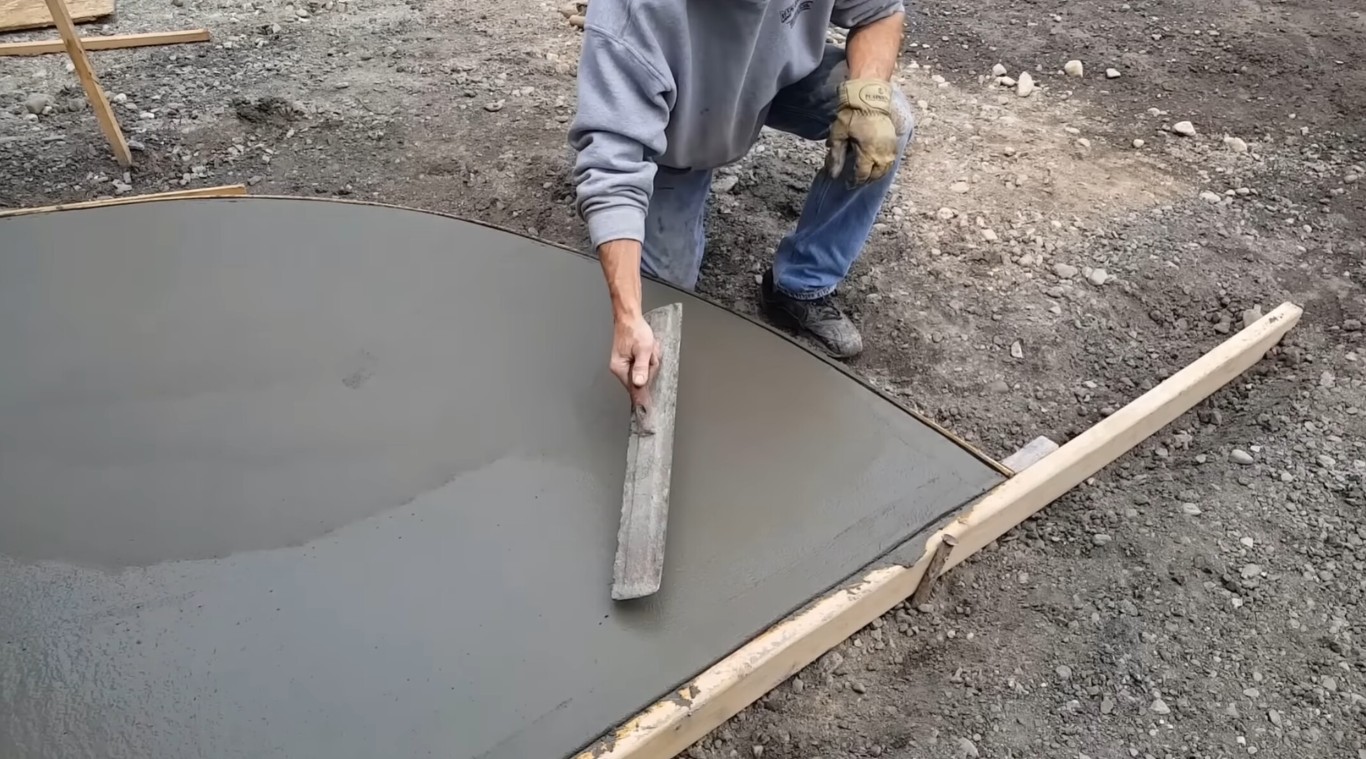
The concrete pour follows precise specifications. We use a mix designed for slab applications, with the right balance of strength and workability. Steel reinforcement, either welded wire mesh or rebar, is positioned within the slab to add tensile strength. The concrete is placed, leveled using laser-guided screeds for accuracy, and finished to the desired texture. Control joints are cut to manage natural cracking, and we apply curing compounds to ensure the concrete develops full strength.
Key Installation Steps:
- •Site excavation and removal of unsuitable materials
- •Subgrade grading and compaction
- •Installation of compacted aggregate base (4-6 inches)
- •Vapor barrier placement to prevent moisture migration
- •Steel reinforcement installation (mesh or rebar)
- •Precision concrete placement and leveling (4-6 inches thick)
- •Surface finishing to specified texture
- •Control joint cutting and curing compound application
Where We Install Concrete Slabs
Garage floors are one of our most common slab installations. A properly installed garage floor provides a clean, durable surface that resists oil stains, tire wear, and the weight of vehicles. We can finish garage floors with a smooth trowel finish, a light broom texture for traction, or prepare them for epoxy coatings if you want a decorative finish.
Basement slabs require special attention to moisture control. We ensure proper vapor barriers and drainage to prevent water issues that can lead to mold or damage. Shed and workshop foundations need to be level and properly sized to support the structure. We also install slabs for equipment pads, storage areas, and commercial applications where durability and precision matter.
Each application has specific requirements. Commercial slabs may need thicker concrete or specific surface finishes for safety or operational needs. Industrial applications might require special reinforcement or concrete mixes. We work with you to understand your specific use case and design the slab accordingly. If your existing slab has problems, check out our repair and restoration services.
Ensuring Long-Term Durability
The difference between a slab that lasts 20 years and one that lasts 50 years comes down to quality installation and proper maintenance. When we install a slab, we're thinking about how it will perform decades from now. That means using the right concrete mix, proper reinforcement, adequate thickness, and techniques that resist common failure modes.
Maintenance is minimal but important. Keep the surface clean and address spills promptly. For garage floors, clean up oil and chemical spills to prevent staining and surface deterioration. Consider sealing the concrete to protect against moisture, stains, and surface wear. A quality sealer applied every few years extends the life of your slab and makes cleaning easier.
Watch for signs of settlement or cracking. Small hairline cracks are normal and don't affect performance, but larger cracks or areas that have settled should be evaluated. Early detection of problems allows for cost-effective repairs before issues become major. We're always available to assess your slab's condition and recommend appropriate action. Regular inspections and prompt attention to problems ensure your concrete slab provides reliable service for generations.
Need a New Concrete Slab?
We'll assess your project requirements, provide expert recommendations, and deliver a detailed estimate with no surprises.